Cyberattacks!
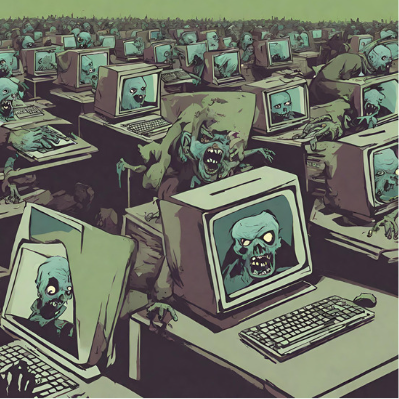
Welcome to “The Greene Room,” where cybersecurity isn’t just a topic; it’s an adventure! Cyberattacks, the digital mischief-makers of the internet, are like the supervillains of our online world. But fear not, because we’re here to demystify these cyber foes while having a bit of fun along the way.
The Cyber Attack Chronicles
Picture this: a world where cyber villains lurk in the shadows, plotting their digital schemes. They may not wear capes, but their tactics are just as cunning. Let’s take a closer look at some of these infamous characters:
- Phishing: The crafty impersonator who tricks you into revealing your secrets.
- Malware: The sneaky infiltrator, spreading chaos in your digital universe.
- Ransomware: The data kidnapper who demands a digital ransom for your precious files.
- Social Engineering: The psychological manipulator who preys on human weaknesses.
- DDoS Attacks: The overwhelming wave-maker that crashes websites in its path.
But fear not, dear reader, for knowledge is your superpower in this digital realm. Understanding these adversaries is the first step in defending your digital turf. So, put on your virtual cape, and let’s embark on this thrilling journey through the world of cybersecurity.
🌟 **Your Role in the Adventure** 🌟
As we navigate the stars of cyberspace, remember that you’re an essential part of this adventure. Interact, ask questions, and explore with us! 🚀
🌌 **To Infinity and Beyond!** 🌌
Our next stop? Past Cyber Attacks! Get ready to time travel through cyber history. 🕰️ Stay tuned for more stories, knowledge, and maybe even some out-of-this-world surprises. 🪐
👾 **P.S. Can you guess the Cyber Attack Types?** 🤖
In this thrilling adventure, we’ll encounter various cyber attack types, each with its unique signature. See if you can spot them:
🔵 Bluejacking
🟢 Phishing
🟠 Ransomware
🟣 SQL Injection
🔴 DDoS
🟡 Malware
🌐 Man-in-the-Middle
Now, let’s illustrate how these attacks occur and why they should be taken seriously. Here are a few examples of some of the more infamous attacks known to have occurred:
Bluejacking:

Example: In 2003, a notable bluejacking incident occurred in a London subway station, highlighting the vulnerability of Bluetooth-enabled devices. Here’s what happened:
- The Setup: An individual with a Bluetooth-enabled device (a smartphone) and a mischievous intent entered a crowded London subway station.
- Discovering Vulnerable Devices: Using their smartphone, the individual scanned for nearby Bluetooth devices that were set to “discoverable” mode. Many people keep their Bluetooth devices discoverable to connect with accessories or other devices without realizing the potential risks.
- Sending Unsolicited Messages: Once the individual identified vulnerable devices, they began sending unsolicited text messages or images to these devices. These messages were often humorous or puzzling, designed to surprise or confuse the device owners.
- Reactions: Commuters receiving unexpected messages on their devices were initially startled or amused, unaware of how their devices had been compromised. Some engaged in conversations with the anonymous sender, while others quickly disabled Bluetooth or turned off their devices to avoid further messages.
- Awareness and Precautions: The incident raised awareness about Bluetooth security. Many people learned the importance of setting their devices to “non-discoverable” mode when not in use to prevent unauthorized access. It also led to discussions about the potential privacy risks associated with Bluetooth technology.
Phishing:

- Example: In 2016, John Podesta, Hillary Clinton’s campaign chairman, fell victim to a phishing attack. He received a convincing-looking email that appeared to be from Google, asking him to reset his email password. Falling for the scam, he clicked on the link and entered his credentials, leading to the exposure of sensitive campaign information.
- Source: The New York Times
Ransomware:
- Example: The WannaCry ransomware attack in 2017 infected hundreds of thousands of computers worldwide. It targeted vulnerabilities in Microsoft Windows, encrypting files and demanding a ransom in Bitcoin. Hospitals, businesses, and even government agencies were affected, highlighting the disruptive power of ransomware.
- Source: BBC News
SQL Injection:

- Example: In 2014, the Heartbleed bug exposed a vulnerability in the OpenSSL cryptographic software library used by many websites. This allowed attackers to steal sensitive data, including usernames and passwords, from vulnerable servers. The incident underscored the importance of patching software promptly.
- Source: Heartbleed.com
DDoS (Distributed Denial of Service):

- Example: In 2016, a massive DDoS attack disrupted internet services across the United States. The Mirai botnet, composed of compromised IoT devices, flooded servers with traffic, causing widespread outages. This event highlighted the security risks associated with insecure IoT devices.
- Source: KrebsOnSecurity
Malware:

- Example: Stuxnet, discovered in 2010, was a highly sophisticated malware designed to sabotage Iran’s nuclear program. It targeted industrial control systems and caused physical damage to centrifuges. Stuxnet demonstrated the potential for malware to impact critical infrastructure.
- Source: Symantec
Man-in-the-Middle(MitM):

Example: In 2011, a high-profile MitM attack, known as the “ComodoHack” or “Comodo SSL certificate breach,” occurred. An Iranian hacker group compromised a certificate authority (Comodo) and issued fraudulent SSL certificates for popular websites like Google, Yahoo, and Skype. These certificates allowed the attackers to intercept and decrypt sensitive user data, such as login credentials and communications, as users unknowingly connected to the rogue servers.
This incident highlighted the critical importance of securing certificate authorities and the potential consequences of successful MitM attacks, including the compromise of secure communication channels.
Can you decipher their secrets and identify them in our upcoming posts? Stay vigilant, and may the cybersecurity force be with you! 🛡️💫
🌐 Stay connected, explore our blog, and get ready to become a true cyber explorer!
#Cybersecurity #ExploreWithUs #TheGreeneRoom
2 responses to “The Greene Room Presents:”
-
I’m sure these types of attacks started with the invention of the internet, so why is it that this isn’t covered in some sort of high school computer basics class? This information would have been super helpful a few years ago! Thanks #TheGreeneRoom for all your info!
LikeLike
-
Well I’m not sure if it’s covered in today’s classes, but you’re right when I was in highschool it really wasn’t. Perhaps it wasn’t as prevalent back then? This is an interesting question that I’m going to have to dig deeper into, in the meantime be on the lookout for a new blog about the history of attacks and when it started to become more mainstream to learning about them
LikeLike
-


 The Greene Room
Leave a comment